
Why Sterilisation Is Important for Dogs and Cats: A Complete Awareness Guide
Sterilisation Is Important for Dogs If you’ve ever seen a litter of puppies struggling near a garbage bin, or seen a mother cat trying to feed six kittens with nowhere safe to raise them, you already understand the problem this blog is about. It’s not a lack of love for animals that creates scenes like this it’s a lack of awareness about one simple decision that could have prevented it.
That decision is sterilization.
At Dr. Vyas Pet Hospital, we talk to pet parents about this almost every single day, and we get it. it can feel like a big, slightly scary decision. You love your pet exactly as they are, and the idea of surgery, even a routine one, naturally brings up questions. So let’s walk through this together: what sterilization actually involves, why it matters so much, and why it might just be one of the kindest things you ever do for your dog or cat.
So, What Exactly Is Sterilization?
In simple terms, sterilization is a routine surgery that stops your pet from being able to reproduce.
- Spaying is done on female pets — it involves removing the ovaries and uterus.
- Neutering is done on male pets it involves removing the testicles.
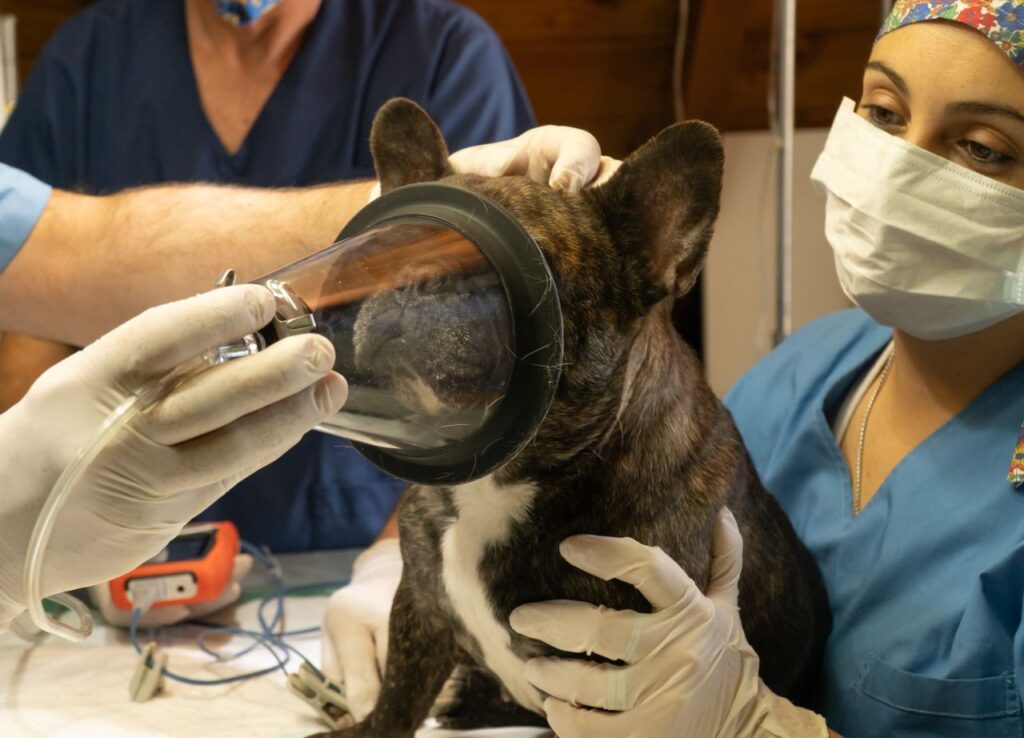
Both are common procedures that vets perform all the time, under general anesthesia, with your pet’s comfort and safety as the top priority. Most dogs and cats are back to their playful selves within a week to ten days. It’s far less dramatic than it sounds — we promise.
Why It’s Worth Doing: The Real Benefits
It Means Fewer Puppies and Kittens Without Homes
Here’s something that surprises a lot of pet owners: one unsterilized female cat or dog, along with her descendants, can be responsible for hundreds of animals over just a few years. Multiply that across a neighborhood, and it’s not hard to see how streets and shelters fill up so quickly. Sterilizing your pet is one small act that quietly prevents a much bigger problem down the line.
It’s Really good for Your Pet’s Health.
This isn’t just about birth control, it’s about giving your companion a longer, healthier life.
For female pets, spaying significantly lowers the risk of mammary tumors and completely removes the risk of a dangerous uterine infection called pyometra, along with ovarian and uterine cancers. For male pets, neutering eliminates the risk of testicular cancer entirely and reduces the likelihood of prostate issues later in life.
Your Pet Will Probably Be Easier to Live With, Too
Ask any pet parent whose dog used to bolt out the gate the moment they smelled a female in heat, or whose cat used to spray furniture and yowl through the night — sterilization tends to bring a noticeable calm. You’ll likely see less roaming, less marking indoors, fewer territorial scuffles with other animals, and a generally more settled, content pet.
They May Simply Live Longer
Several long-term studies have found that sterilized pets tend to outlive their unsterilized counterparts. Between the lowered disease risk and less wandering (which means fewer run-ins with traffic or other animals), it adds up to more years together with your best friend.
It Helps Every Animal, Not Just Yours
Every pet that gets sterilized is one less contributor to the stray population in your community. It’s a ripple effect — one responsible choice at a time is genuinely the most humane and effective way to bring down stray numbers, far more so than any other method that’s been tried.
It Eases the Load on Local Shelters
Shelters everywhere are stretched thin, often housing far more animals than they were built for. Sterilizing your own pet is a quiet way of making room and improving the odds for the animals already waiting for a home.
Let’s Clear Up a Few Myths
“My pet is going to get fat and lazy after this.” Honestly, that comes down to diet and exercise, not the surgery itself. Keep them active and feed them well, and they’ll stay just as fit as before.
“Shouldn’t they have one litter first? I heard it’s healthier.” This is one of the most common things we hear, but there’s no real medical basis for it. If anything, sterilizing earlier tends to offer better long-term protection.
“Will this change who they are?” Not really. Your pet’s personality — their goofiness, their cuddles, their quirks — stays exactly the same. What changes is the hormone-driven behavior, not their bond with you.
“Isn’t this a risky surgery?” It’s actually one of the most commonly performed procedures in veterinary medicine, done thousands of times a day around the world. In the hands of an experienced team, it’s very safe.
When’s the Right Time?
Most vets recommend sterilizing between 5 and 9 months of age, though the ideal timing really depends on your pet’s breed, size, and overall health. This is exactly the kind of thing worth a quick conversation with your vet rather than guessing on your own.
We’re Here When You’re Ready
Deciding to sterilize your pet isn’t just a medical choice — it’s an act of care, for them and for every animal out there who deserves a safe place to belong. At Dr. Vyas Pet Hospital, www.drvyaspethospitalgmail.com , our team will walk you through the whole process, answer every question (even the ones that feel silly), and make sure your pet is comfortable and looked after from start to finish.
If you’ve been thinking about it, consider this your sign to take the next step. Reach out to us, and let’s talk about what’s right for your furry family member.
Sterilization not only contributes to the health and longevity of your pets but also plays a crucial role in reducing the overpopulation of animals. By preventing unwanted litters, you are helping to ensure that more animals have the opportunity to find loving homes. Our dedicated staff understands the importance of this decision and is committed to providing compassionate care throughout the entire procedure. Contact us today to learn more about how we can support you and your pet during this important journey.